Sefalar getirdiniz | Welcome
Turkish Music Therapy
is a listening-based healing tradition rooted in the classical makam system of Anatolia and the broader Islamic world.Sound is approached as a therapeutic medium — one that works on the whole person through presence, rhythm, tonality and temperament.

Music For Heart & Body
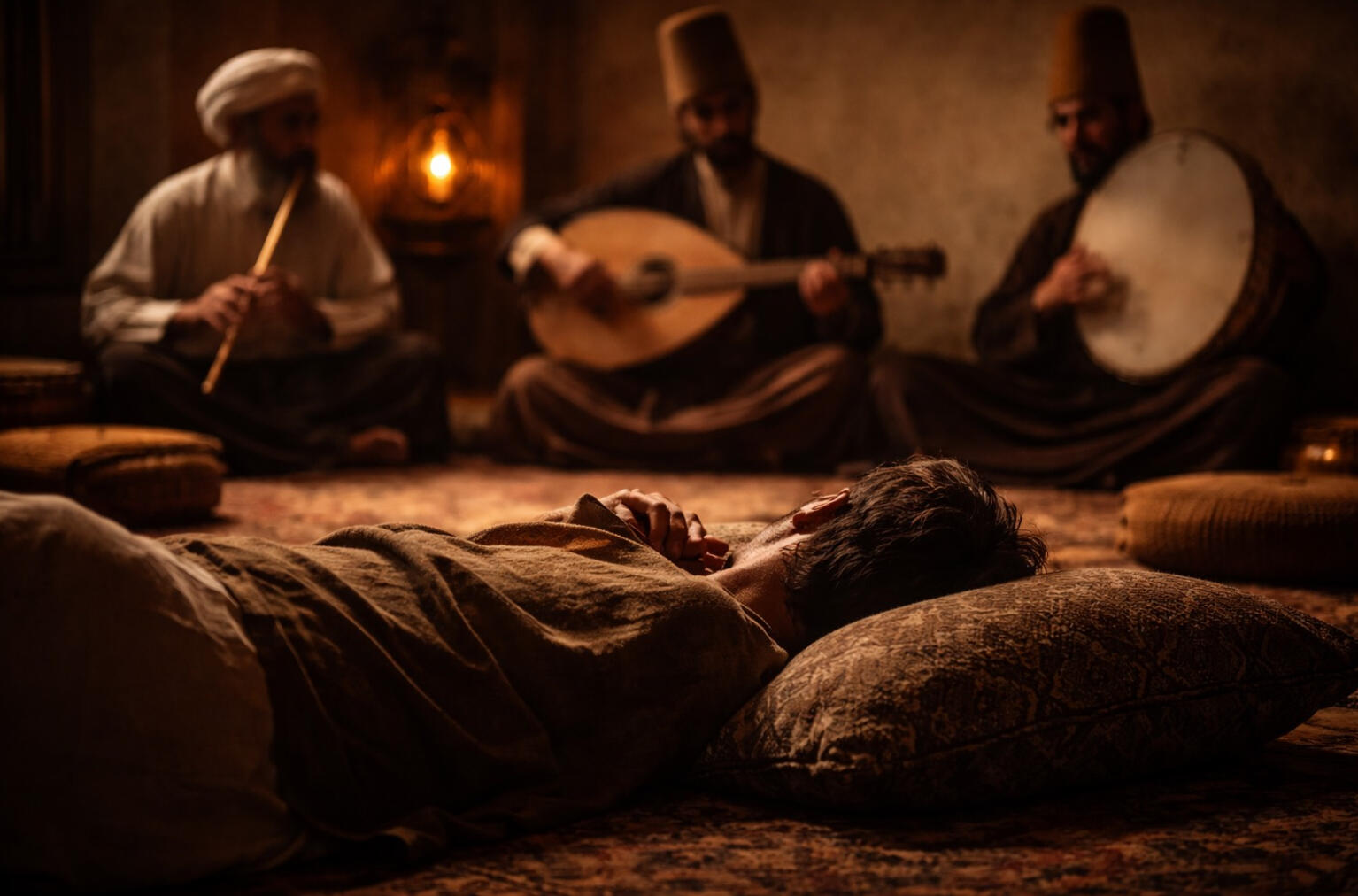
Within Turkish Music Therapy, music is understood as medicine: capable of regulating the nervous system, supporting emotional balance and restoring harmony between body, psyche and spirit.Historically practiced in hospitals, tekkes (mystical practice spaces) and healing lodges, this work was shaped to attune rather than excite — bringing the listener back into rhythm with themselves and with life.
A Living Lineage
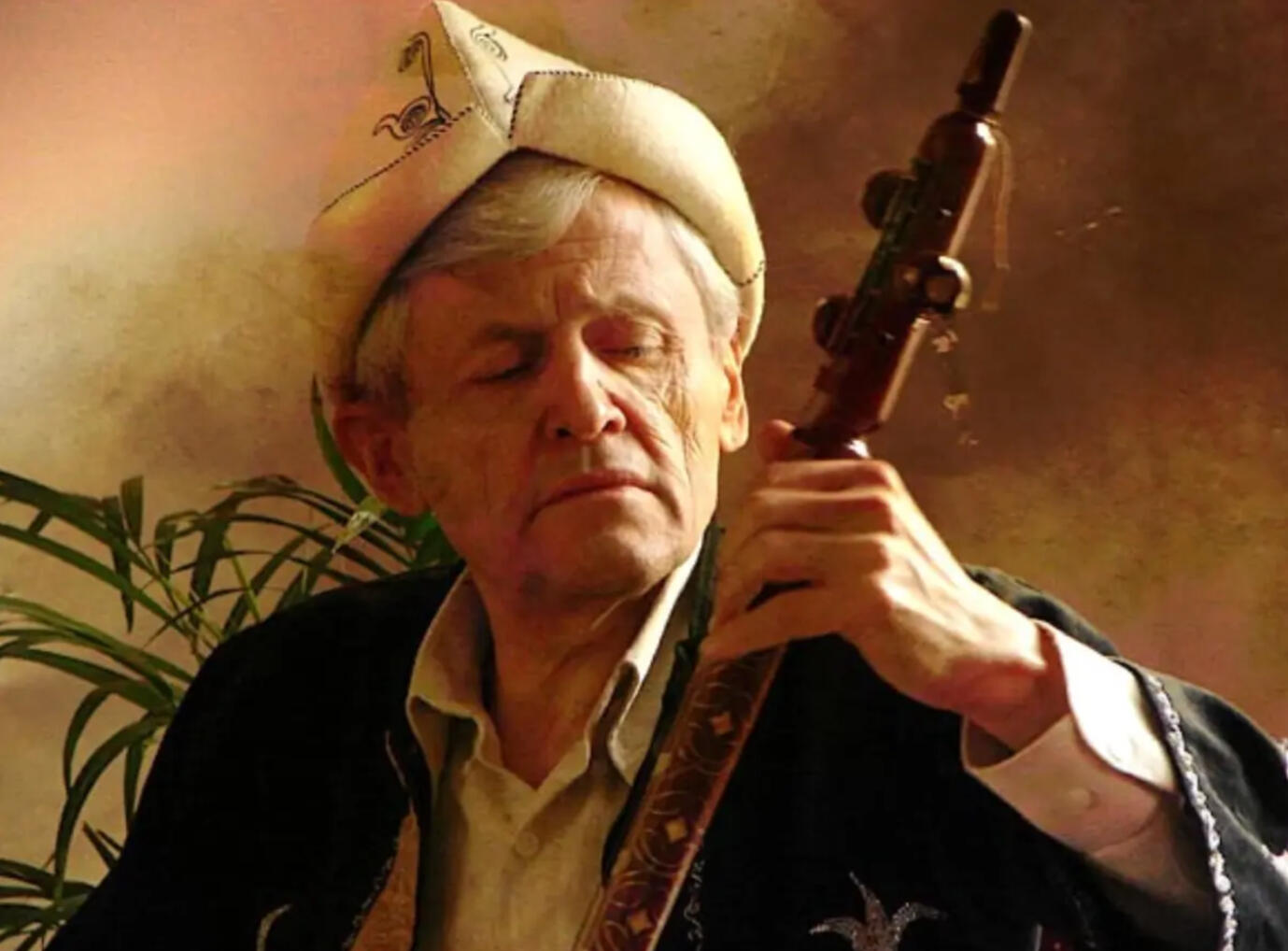
In the 20th century, Turkish Music Therapy was preserved and articulated internationally through the work of Dr. Rahmi Oruç Güvenç, affectionately known as Oruç Baba — a Mevlevi sheikh, physician, researcher, and lineage holder of multiple Sufi orders.Working alongside master musicians and medical practitioners, Oruç Baba gave form to a historically grounded and clinically intelligible approach to therapeutic sound, shaped by both Ottoman and Central Asian sources.→ Learn more about Oruç Baba’s work
Older Roots, Wider Geographies

While the modern expression of Turkish Music Therapy is closely associated with Ottoman medical and mystical institutions, the deeper roots of the practice extend far beyond Anatolia, into wider Central Asia.Chorasan (Khorasan) — a vast ancient cultural and spiritual geography spanning Central Asia, Persia and the eastern Islamic world — served as a major source field for Sufi development, poetic transmission and healing sound practices.Modal and pentatonic systems, shamanic healing traditions and early approaches to sama’ formed a shared foundation that later found refined expression in Ottoman makam culture.
Sound, Sufism & the Human Being
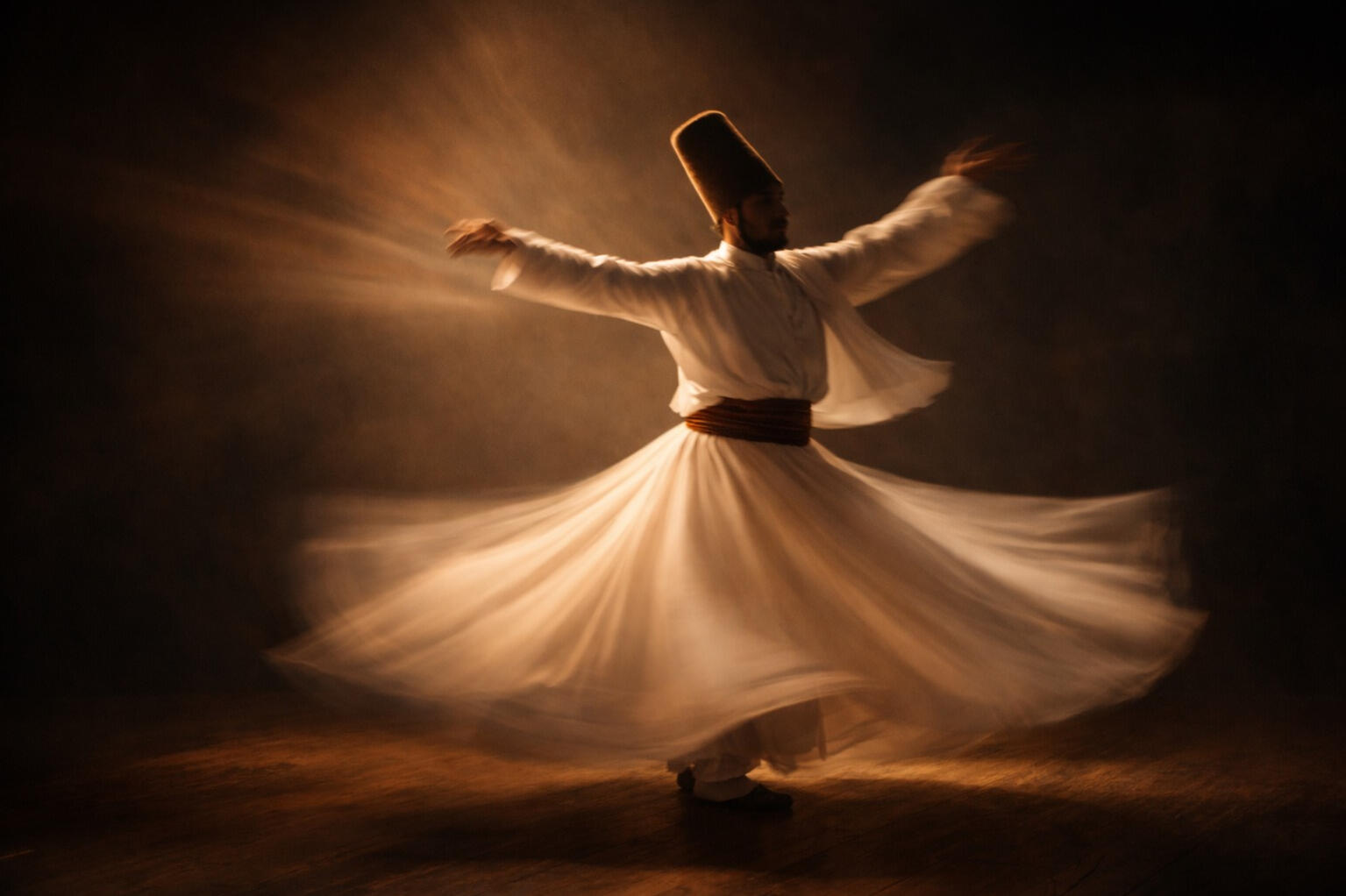
From its early Central Asian contexts through to later Ottoman practice, both music and movement were understood as means of human completion. This understanding was well preserved in Tasavvuf (Islamic Sufism), especially the Mevlevi order.Within the Mevlevi lineage specifically, music and movement (such as the famous practice of whirling) supported the cultivation of Insan Kamil — the Fully Realized Person — through listening, presence and disciplined receptivity rather than effort or analysis.
The Art of Listening
In this tradition, healing unfolds through listening. The listener is not asked to interpret the music or direct the experience, but to remain present as sound works directly on the nervous system and emotional field.This is slow medicine. Its effects are subtle, cumulative and shaped by time. The primary therapeutic instrument is presence itself.
Institutions
Today, Turkish Music Therapy continues through dedicated practitioners and institutions carrying the work forward with rigor, care and a strong attention to therapeutic ethics.One of the most respected organizations stewarding this tradition is TÜMATA — founded by Oruç Baba — whose work traces the continuity of therapeutic sound from Central Asian origins through Ottoman and Sufi expressions into the present.Another organization acknowledged by Oruç Baba and staffed by his direct students, Bengüsu Gield, offers Music Therapy in a clinical and educational context.
A Continuum of Wisdom

Oruç Baba’s work consciously honored the long continuity of the Turkish Music Therapy tradition, acknowledging Central Asian, Chorasan, shamanic and Sufi sources that predate modern national identities.For this reason, some teaching contexts refer to aspects of the work as “Chorasan Music Therapy” or “Ancient Oriental Music Therapy,” emphasizing the broader source field from which Turkish expressions later emerged. Seen this way, Turkish Music Therapy belongs to a living continuum rather than a closed system.
A Sacred Threshold
Transmission within Turkish Music Therapy happens through encounter — through voice, sound and sustained listening.Understanding follows experience. What matters is not mastery of method, but contact with the work as it lives.
Long-Form Listening & Reflections
Essays, reflections, historical context, and listening-centered writings on Turkish Music Therapy and the oral teachings of Oruç Baba are gathered on Substack.There, the work unfolds slowly, in a format that leaves room for silence, depth, and attention.
About the curator
All articles on the Turkish Music Therapy website and Substack are written by Lisa England, a writer, musician, and independent scholar of Desert Devotion and Migratory Sound, who follows migratory lineages of mysticism and music across the Middle East and Silk Road. Her work explores intersections where the region’s many spiritual traditions meet through voice and instrument, influence one another, and reveal deeper continuities beneath their distinctions.Currently, she is focused on music as medicine across medieval Central Asia and the Ottoman world, with particular attention to voices and healing practices often overlooked in modern transmission — such of those of Jews and women mystics. She honors the legacy of Dr. Rahmi Oruç Güvenç as a spiritual guide in this work, and a steward of medicinal music traditions from Türkiye and the Silk Road. She also hosts The Jewish Sufi Pilgrim Podcast — a historical journey between shul and shrine.